Class 12 History Chapter 9: “Colonialism and the Countryside – Exploring Official Archives” from Themes in Indian History, Part 3.
100% CBSE board–ready material.
🟩 3-Mark CBSE PYQs (Last 20 Years – with Proper Answers)
(Chapter 9: Colonialism and the Countryside)
1. What was the Permanent Settlement System?
(CBSE 2005, 2015)
Answer
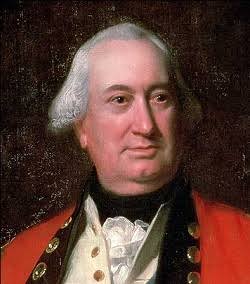
- Introduced in 1793 by Lord Cornwallis in Bengal, Bihar, and Orissa.
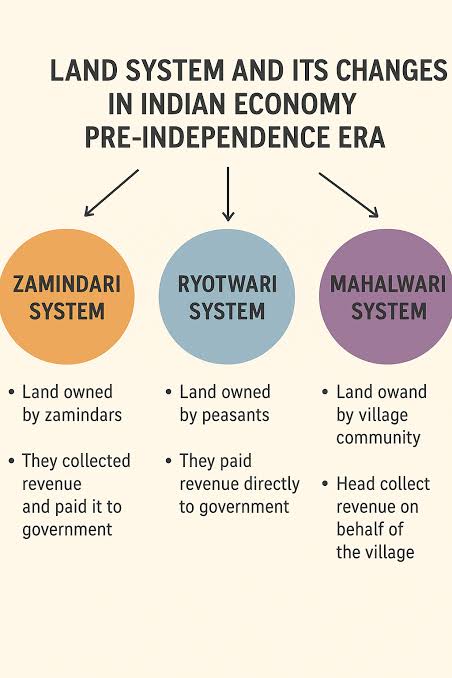
- Zamindars were made hereditary owners of land and had to pay fixed revenue to the Company.
- It aimed to ensure a regular income for the British but led to peasants’ exploitation and zamindars’ indebtedness.
2. Mention any three drawbacks of the Permanent Settlement System.
(CBSE 2006, 2019)
Answer:
- Revenue demand was too high, forcing zamindars to sell land.
- Peasants were overburdened and lost security of tenure.
- It led to stagnation in agriculture as zamindars had no incentive to improve productivity.
3. What was the Ryotwari System?
(CBSE 2007, 2016)

Answer:
- Introduced by Thomas Munro in Madras and Bombay.
- Revenue was collected directly from peasants (ryots) instead of zamindars.
- Peasants were recognized as owners but had to pay high and rigid revenue to the government.
4. Who were the Jotedars? What was their role in rural Bengal?
(CBSE 2008, 2017)
Answer:
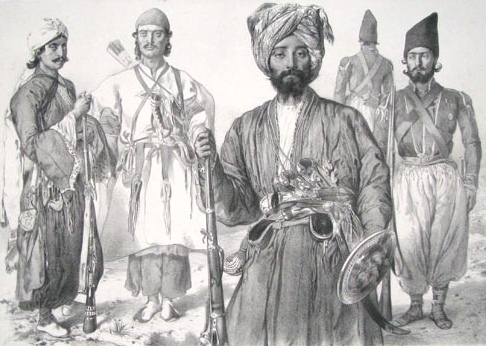
- Jotedars were rich peasants or landholders in Bengal villages.
- They owned large tracts of land and controlled sharecroppers (ad-hiyars).
- They dominated village society and acted as intermediaries between peasants and zamindars.
5. What was the Fifth Report? Why was it prepared?
(CBSE 2009, 2018)
Answer:
- The Fifth Report was a document submitted to the British Parliament in 1813.
- It examined the Company’s administration and revenue policies in India.
- It was prepared because of growing criticism in England about corruption and misuse of power by Company officials.
6. What led to the Santhal Revolt of 1855–56?
(CBSE 2010, 2021)
Answer:

- Santhals faced land alienation and were exploited by moneylenders and zamindars.
- British revenue policies disrupted their traditional land system.
- These injustices led to their rebellion under Sidhu and Kanhu Murmu in 1855–56.
7. How did the British view shifting cultivation?
(CBSE 2014, 2023)
Answer:
- The British considered it unsettled and unproductive.
- They wanted peasants to adopt permanent cultivation for regular revenue.
- Hence, shifting cultivators lost land rights and were forced into wage labour.
🟥 8-Mark CBSE PYQs (Last 20 Years – Detailed & Point-Wise Answers)
1. Explain the main features of the Permanent Settlement System. What were its consequences?
(CBSE 2005, 2014, 2020)
Answer:

Features:
- Introduced in 1793 by Lord Cornwallis.
- Zamindars made hereditary landowners; had to pay fixed revenue annually.
- Revenue fixed permanently, irrespective of production.
- Zamindars collected rent from peasants and retained surplus.
Consequences:
5. Zamindars lost land when they couldn’t pay revenue.
6. Peasants suffered under high rents and no rights on land.
7. Agriculture stagnated due to lack of incentives.
8. System created a class of absentee landlords, widening rural inequality.
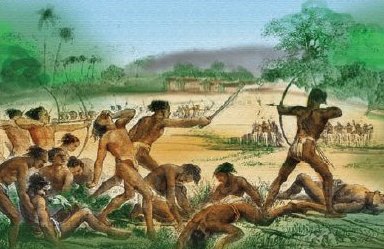
2. Describe the causes and consequences of the Santhal Revolt (1855–56).
(CBSE 2007, 2016, 2022)
Answer:
Causes:
- Loss of land due to British land laws.
- Exploitation by moneylenders and traders.
- High land taxes and forced labour.
- Destruction of forests and loss of livelihood.
Consequences:
5. British suppressed the revolt brutally.
6. Creation of Santhal Pargana in 1856 as a separate administrative unit.
7. Became a symbol of tribal resistance against colonial rule.
8. Exposed flaws in British agrarian policies.
3. Discuss the differences between the Permanent Settlement and Ryotwari System.
(CBSE 2008, 2017, 2019)
Answer:
| Feature | Permanent Settlement | Ryotwari System |
|---|---|---|
| Introduced by | Lord Cornwallis (1793) | Thomas Munro (Madras) |
| Collector of revenue | Zamindars | Directly from peasants (ryots) |
| Ownership of land | Zamindars | Ryots (peasants) |
| Area of implementation | Bengal, Bihar, Orissa | Madras, Bombay |
| Nature of revenue | Fixed permanently | Revised periodically |
| Impact on peasants | Exploited, no rights | Over-taxed, lost land |
| Agricultural growth | Stagnant | Slightly better |
| British aim | Stable revenue | Direct control over peasantry |
4. What was the importance of the Fifth Report for understanding British rule in India?
(CBSE 2011, 2018, 2023)

Answer:
- Presented before the British Parliament in 1813.
- Contained information on Company’s administration, revenue, and corruption.
- Revealed exploitation by zamindars and officials.
- Exposed malpractices of British officials in Bengal.
- Highlighted how policies like Permanent Settlement failed peasants.
- Provided data from surveys, records, and interviews.
- Served as a primary source for historians studying colonial rule.
- Showed early British concern over governance in India.
5. How did the lives of peasants and zamindars change under British land revenue policies?
(CBSE 2010, 2015, 2021)
Answer:

- Zamindars gained ownership rights initially.
- Many lost land due to inability to pay fixed revenue.
- Peasants became tenants or labourers.
- Over-taxation led to indebtedness and poverty.
- Traditional rights and customs were destroyed.
- Cash-crop cultivation replaced subsistence farming.
- Agricultural productivity declined.
- Rural India became economically dependent on the British market.
6. Describe the impact of British land revenue systems on Indian agriculture.
(CBSE 2009, 2013, 2022)
Answer:
- Traditional land relations disrupted.
- Land became a marketable commodity.
- Increased peasant indebtedness.
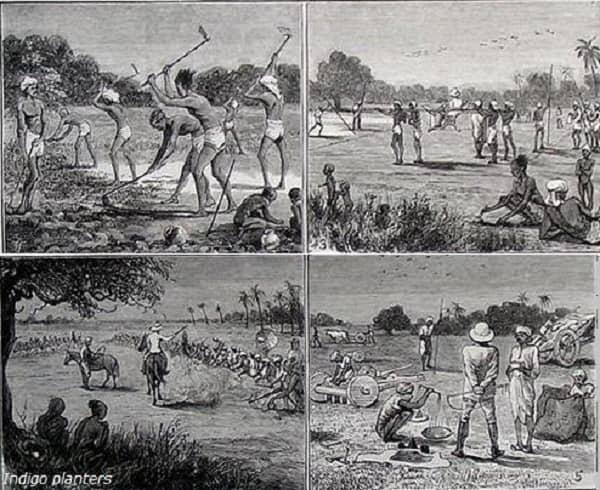
- Forced cultivation of cash crops for export.
- Famines became frequent due to neglect of food crops.
- Peasants’ condition worsened; many migrated for labour.
- Forest and tribal communities displaced.
- Colonial economy became exploitative and unequal.