
100 MCQs Class 12 History — Chapter 9: Colonialism and the Countryside with answers + short explanations
key facts (Permanent Settlement, Ryotwari/Mahalwari, Santhal uprising, Deccan Riots, jotedars, zamindars, indigo, cotton boom, etc.) against the NCERT chapter and reliable notes. Key sources I used: NCERT textbook (Themes in Indian History — Part III, Chapter 9
1–20: Basic factual single-correct MCQs
Q1. Who introduced the Permanent Settlement in Bengal?
A. Lord Wellesley
B. Lord Cornwallis
C. Lord Dalhousie
D. Lord Hastings
Answer: B. Lord Cornwallis.
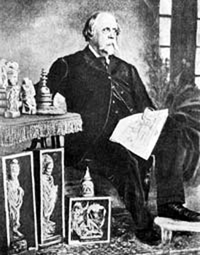
Explanation: Explanation: Permanent Settlement was enacted in 1793 under Lord Cornwallis (part of the Cornwallis Code).
Q2. Permanent Settlement fixed revenue demand as —
A. For one harvest only
B. Permanently on zamindars
C. Annual reviewable sum with tenants
D. Variable according to crop
Answer: B. Permanently on zamindars.
Explanation: It fixed revenue permanently and made zamindars the revenue collectors/landowners.
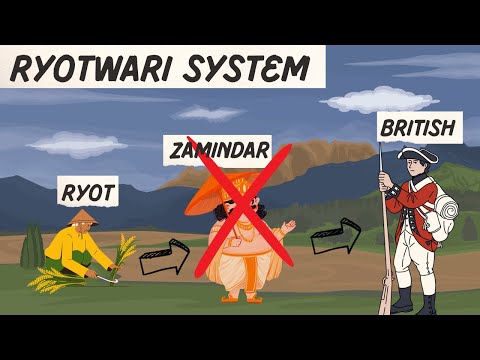
Q3. Which system involved direct settlement between government and individual cultivators (ryots)?
A. Zamindari
B. Mahalwari
C. Ryotwari
D. Jagirdari
Answer: C. Ryotwari.
Explanation: Ryotwari made the government deal directly with individual cultivators (ryots).
Q4. Ryotwari was first implemented in which Presidency?
A. Bengal
B. Madras
C. Bombay
D. Punjab
Answer: B. Madras.
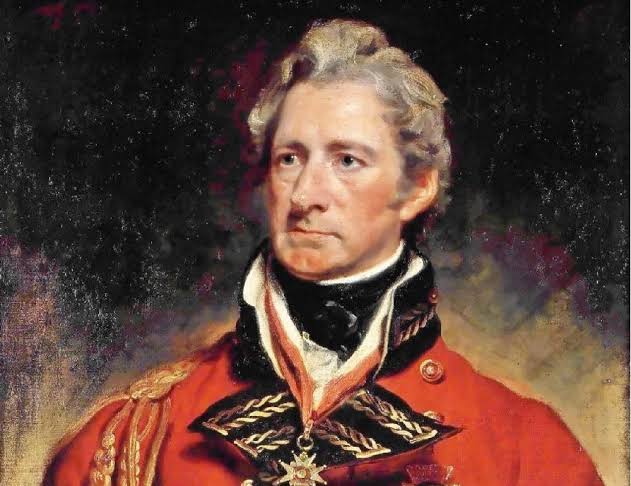
Explanation: Thomas Munro introduced/implemented Ryotwari in the Madras Presidency (early 19th century).
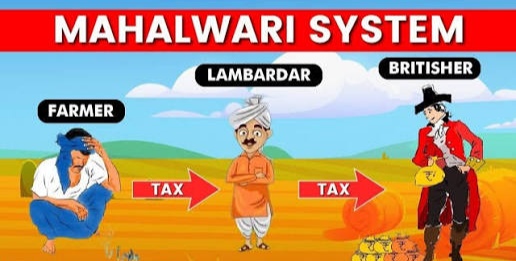
Q5. Which system assessed revenue on a village/estate (mahal) basis?
A. Ryotwari
B. Mahalwari
C. Zamindari
D. Mughal zabt
Answer: B. Mahalwari.
Explanation: Mahalwari fixed demand for a mahal (village/estate) with collective responsibility.
Q6. Mahalwari system was first devised by
A. Thomas Munro
B. Holt Mackenzie
C. Lord Cornwallis
D. Warren Hastings
Answer: B. Holt Mackenzie.
Explanation: Holt Mackenzie devised Mahalwari in 1822; it was later revised (Bentinck/others).
Q7. Which of the following groups were tribal people who rose in rebellion in 1855 in the Rajmahal hills?
A. Paharias
B. Santals
C. Mundas
D. Bhils
Answer: B. Santals.
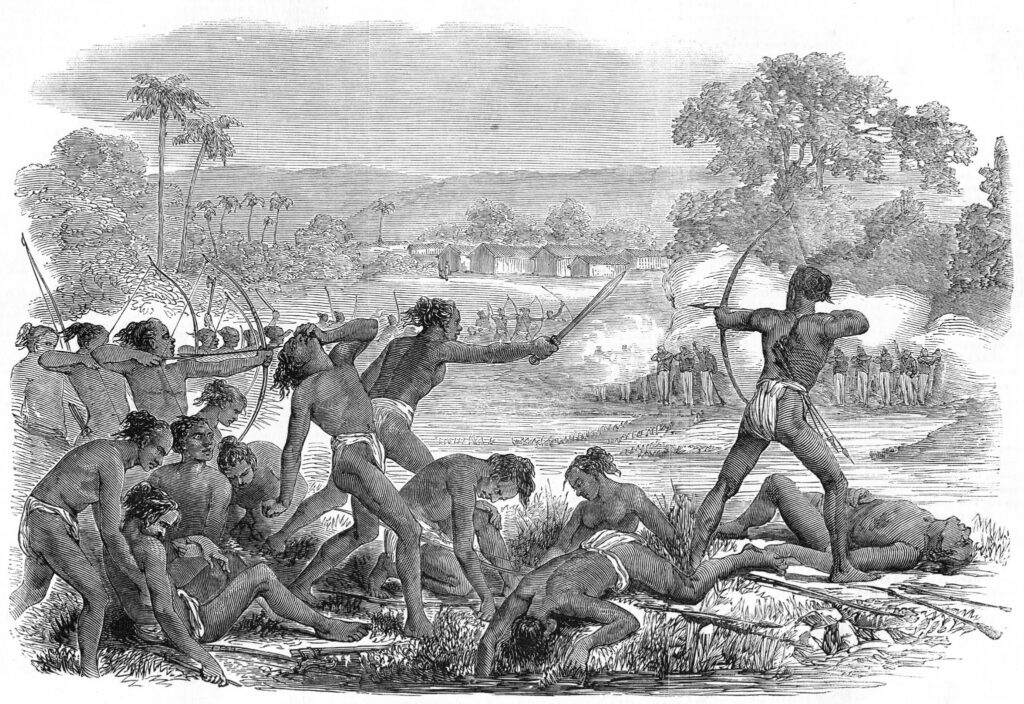
Explanation: The Santhal (Santal) rebellion (Santhal Hul) began 30 June 1855 in Rajmahal/ Santhal Parganas.
Q8. The leaders of the Santhal uprising included
A. Tantia Tope and Rani Lakshmi Bai
B. Sidhu and Kanhu Murmu
C. Birsa Munda and Tilka Manjhi
D. Kittur Rani Chennamma and Nana Sahib
Answer: B. Sidhu and Kanhu Murmu.
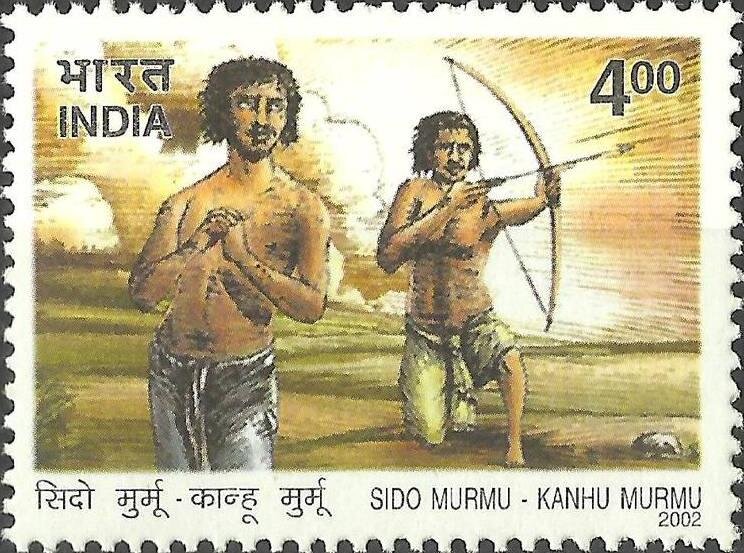
Explanation: Sidhu and Kanhu Murmu led the Santhal rebellion.
Q9. Which was an outcome of the Santhal rebellion?
A. Abolition of zamindari nationwide
B. Creation of Santhal Parganas (a separate district)
C. Immediate independence of India
D. End of Permanent Settlement
Answer: B. Creation of Santhal Parganas.
Explanation: The rebellion led to administrative changes including the Santhal Parganas district (Sonthal Parganas Act).
Q10. Which crop boom increased demand for Indian cotton in the 1860s?
A. Sugar boom
B. American Civil War/ cotton boom
C. Indigo boom
D. Tea boom
Answer: B. American Civil War / cotton boom.
Explanation: The American Civil War (1861–65) disrupted US cotton supply, increasing demand from India (cotton boom).
Q11. Who were ‘jotedars’ in rural Bengal?
A. Tribal chiefs in Rajmahal hills
B. Rich peasants/large cultivators with local influence
C. British district collectors
D. Moneylenders only
Answer: B. Rich peasants/large cultivators with local influence.
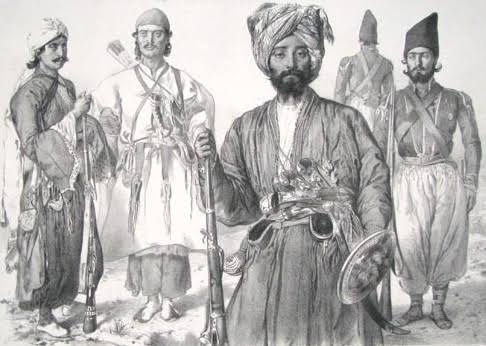
Explanation: Jotedars were wealthy peasant proprietors controlling land, trade and local power in Bengal.
Q12. Which of these was NOT a typical feature of Permanent Settlement?
A. Hereditary rights to zamindars
B. Revenue permanently fixed
C. Direct settlement with individual cultivators (ryots)
D. Creation of a landed class supporting Company rule
Answer: C. Direct settlement with individual cultivators (ryots).
Explanation: Permanent Settlement involved zamindars as intermediaries, not direct settlement with ryots.
Q13. The Deccan Riots of 1875 primarily targeted
A. British officials only
B. Moneylenders and debt documents
C. Zamindars’ palaces
D. Tea plantations
Answer: B. Moneylenders and debt documents.
Explanation: Deccan Riots involved peasants attacking moneylenders and destroying debt bonds.
Q14. Which of the following increased indebtedness of peasants under colonial rule?
A. High fixed revenue demands
B. Development of cooperative credit societies from start
C. Low land revenue burden everywhere
D. Elimination of middlemen overnight
Answer: A. High fixed revenue demands.
Explanation: High revenue demands, coupled with crop failure and moneylending, increased peasant indebtedness.
Q15. ‘Diku’ in tribal/peasant vocabulary often referred to
A. British officials, moneylenders and outsiders seen as exploiters
B. British court judges only
C. Agricultural implements
D. Local festivals
Answer: A. British officials, moneylenders and outsiders seen as exploiters.
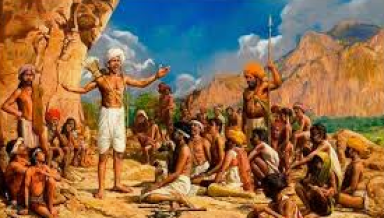
Explanation: ‘Diku’ was a term used by several tribal groups to refer to exploitative outsiders (zamindars, moneylenders, British).
Q16. Which of the following was an effect of commercialization of agriculture under colonialism?
A. No change in cropping pattern
B. Increase in cash crops like indigo, cotton
C. Universal land security for peasants
D. End of market links
Answer: B. Increase in cash crops like indigo, cotton.
Explanation: Colonial policies and market demands promoted cash-crop cultivation (e.g., indigo, cotton), altering local cropping.
Q17. Indigo planters’ system of forcing indigo cultivation led

A. Voluntary indigo cultivation everywhere
B. Indigo resistance (e.g., Indigo Revolt of 1859–60 in Bengal)
C. Total elimination of indigo from India by 1820
D. Immediate peasant prosperity
Answer: B. Indigo resistance (e.g., Indigo Revolt of 1859–60).
Explanation: Forced indigo cultivation led to unrest and the Indigo Revolt in Bengal (1859–60).
Q18. Which body collected revenue under Permanent Settlement?
A. British collectors directly from ryots
B. Zamindars as intermediaries
C. Village panchayats only
D. Tribal councils
Answer: B. Zamindars as intermediaries.
Explanation: Under Permanent Settlement zamindars were responsible for collecting and remitting revenue to the Company.
Q19. Which Presidency implemented the Ryotwari system later in parts of Bombay?
A. Bengal only
B. Madras, then Bombay
C. Punjab only
D. Central Provinces only
Answer: B. Madras, then Bombay.
Explanation: Ryotwari began in Madras (Thomas Munro), and similar settlements were used later in parts of Bombay and other regions.
Q20 Which of the following is true about jotedars vs zamindars in late 18th–19th century Bengal?
A. Zamindars always had more power than jotedars within villages.
B. Jotedars were often locally more powerful than absentee zamindars.
C. Jotedars were British officials.
D. Jotedars were a British tax.
Answer: B. Jotedars were often locally more powerful than absentee zamindars.
Explanation: Wealthy jotedars became influential locally; zamindars were sometimes absentee landlords.
21–40: One-mark factual / concept MCQs (continued)
Q21. The Cornwallis Code divided Company service into three branches: revenue, judicial and
A. Commercial
B. Military only
C. Educational
D. Religious
Answer: A. Commercial.
Explanation: Cornwallis Code reorganized Company services into revenue, judicial and commercial branches.
Q22. Which term denotes a peasant who cultivates land under a landlord?
A. Zamindar
B. Ryot
C. Jotedar
D. Collector
Answer: B. Ryot.
Explanation: ‘Ryot’ denotes an individual cultivator/peasant.
Q23. Which region experienced a significant migration of Santhals to the Rajmahal hills?
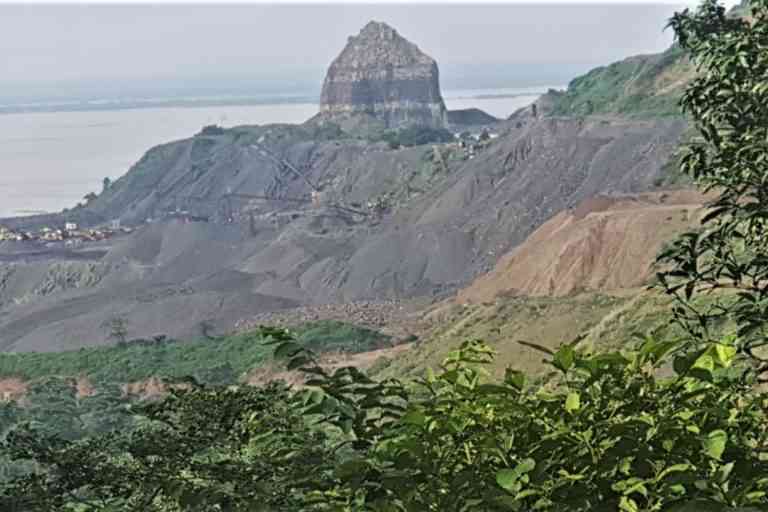
A. Bengal/Bihar region (Rajmahal)
B. Punjab
C. Kerala
D. Assam
Answer: A. Bengal/Bihar region (Rajmahal).
Explanation: Santhals migrated into the Rajmahal hills area (Bengal/Bihar region).
Q24. The Deccan Riots primarily occurred in which Indian region?
A. Eastern India
B. Western Deccan (Poona/Ahmednagar)
C. North-West Frontier
D. Bengal delta
Answer: B. Western Deccan (Poona/Ahmednagar).
Explanation: Deccan Riots (1875) were in Poona (Pune) and Ahmednagar districts of the Deccan.
Q25. Which of the following played the role of middlemen collecting taxes under the Permanent Settlement?
A. Ryots directly
B. Zamindars
C. Village councils only
D. British judges
Answer: B. Zamindars.
Explanation: Zamindars were the intermediaries who collected rents and remitted revenue.
Q26. Which revolt is connected with destruction of debt bonds and documents?
A. Santhal Hul
B. Indigo Revolt
C. Deccan Riots
D. Munda Ulgulan
Answer: C. Deccan Riots.
Explanation: Deccan Riots involved burning of debt bonds and attacking moneylenders.
Q27. The term ‘mahal’ in Mahalwari refers to
A. A palace only
B. A revenue unit/village or estate
C. A tax collector’s name
D. The British Governor-General
Answer: B. A revenue unit/village or estate.
Explanation: ‘Mahal’ denoted a village/estate (settlement unit) for revenue assessment.
Q28. Which system tended to make zamindars into proprietors with hereditary rights?
A. Ryotwari
B. Mahalwari
C. Permanent Settlement (Zamindari)
D. Tribal customary tenure
Answer: C. Permanent Settlement (Zamindari).
Explanation: Permanent Settlement conferred hereditary proprietary status on zamindars.
Q29. Which event boosted Indian cotton exports to Britain in the 1860s?
A. Introduction of Ryotwari in Madras
B. American Civil War
C. Santhal rebellion
D. Permanent Settlement
Answer: B. American Civil War.
Explanation: The Civil War reduced American cotton exports, creating demand for Indian cotton (cotton boom).
Q30. Which of these groups were hill people often living in marginal lands and forests discussed in the chapter?
A. Paharias and Santhals
B. Marathas and Rajputs
C. Bengalis and Punjabis
D. British planters
Answer: A. Paharias and Santhals.
Explanation: The chapter describes hill communities such as Paharias and Santhals in Rajmahal hills.
Q31. The Permanent Settlement was first applied in
A. Bengal (including Bihar and Orissa)
B. Madras only
C. Bombay only
D. Punjab only
Answer: A. Bengal (including Bihar and Orissa).
Explanation: Permanent Settlement began in Bengal, and extended to Bihar and Orissa.
Q32. Which class grew in influence as moneylenders and traders during colonial times in the countryside?
A. British civil servants only
B. Mahajans/moneylenders and traders
C. Village headmen only
D. Tribal shamans
Answer: B. Mahajans/moneylenders and traders.
Explanation: Moneylenders (mahajans) and traders became major credit providers and local power brokers.
Q33. Which crop forced cultivation program led to rural unrest in Bengal?
A. Tea
B. Indigo
C. Sugarcane
D. Wheat
Answer: B. Indigo.
Explanation: Indigo planters’ coercive methods caused the Indigo Revolt of 1859–60.
Q34. Which is true about the consequences of high land revenue demands?
A. They always promoted agricultural investment.
B. They contributed to indebtedness and land alienation.
C. They decreased tenancy.
D. They raised peasant incomes uniformly.
Answer: B. They contributed to indebtedness and land alienation.
Explanation: High demands often forced peasants to borrow, leading to debt and loss of land.
Q35. Which administrative code included the Permanent Settlement?
A. Cornwallis Code
B. Bentick Code
C. Pitt’s India Act
D. Regulating Act of 1773
Answer: A. Cornwallis Code.
Explanation: Permanent Settlement formed part of the Cornwallis Code of 1793.
Q36. The word ‘zamindar’ originally meant
A. Collector of revenue/landlord under Company rule
B. British soldier
C. Tribal leader only
D. Moneylender only
Answer: A. Collector of revenue/landlord under Company rule.
Explanation: Zamindar traditionally collected revenue; under Permanent Settlement they became proprietors.
Q37. Which peasants often acted as intermediaries inside villages in Bengal and gained power?
A. Jotedars
B. Paharias
C. British planters
D. Ryots only
Answer: A. Jotedars.
Explanation: Jotedars — rich peasant proprietors — gained local power and influence.
Q38. Which of the following best describes the Deccan Riots?
A. A tribal uprising in Assam
B. A peasant movement against moneylenders in 1875
C. An 1857 military mutiny only
D. A textile workers’ strike in Bombay
Answer: B. A peasant movement against moneylenders in 1875.
Explanation: Deccan Riots were anti-moneylender peasant disturbances in 1875 (Poona/Ahmednagar).
Q39. Which of the following is true about Mahalwari settlements?
A. They made each individual ryot solely responsible for all revenue.
B. They placed collective responsibility at village/mahal level.
C. They were only used in Madras.
D. They abolished zamindars fully everywhere.
Answer: B. They placed collective responsibility at village/mahal level.
Explanation: Mahalwari imposed collective responsibility upon village units (mahals).
Q40. Which social change accompanied commercialisation of agriculture?
A. Complete disappearance of market relations
B. Rise of cash crops and dependence on market prices
C. Immediate land reforms benefitting all peasants
D. Absence of any peasant resistance
Answer: B. Rise of cash crops and dependence on market prices.
Explanation: Commercialisation increased cash-crop growing and market dependence, sometimes causing instability.
41–50: Assertion–Reason (AR) type (choose one correct option)
Options for each AR
A — Both A and R true and R explains A
B — Both true but R doesn’t explain A;
C — A true R false
D — A false R true
Q41. Assertion (A): Permanent Settlement created a new landed proprietary class.
Reason (R): Zamindars were given hereditary rights over land and fixed revenue obligations.
Answer: A.
Explanation: Both true; hereditary rights + fixed revenue turned zamindars into a landed class.
Q42. A: Ryotwari gave cultivators ownership rights.
R: Under Ryotwari government assessed and collected from individual cultivators.
Answer: A.
Explanation: Both true; direct settlement conferred proprietary-like rights to ryots.
Q43. A: Mahalwari reduced state demand drastically at the start.
R: Holt Mackenzie introduced Mahalwari to reduce state demands to 10% in all areas.
Answer: D.
Explanation: A is false (Mahalwari often fixed high demands); R is false/inaccurate — it did not uniformly reduce demand to 10%.
Q44. A: The Santhal rebellion started in 1855.
R: It was led by Sidhu and Kanhu Murmu.
Answer: A.
Explanation: Both true; reason correctly explains leadership and date.
Q45. A: Deccan Riots involved attacks on moneylenders.
R: Increased indebtedness and coercive lending practices provoked peasants.
Answer: A.
Explanation: Both true; the reason explains the cause of attacks.
Q46. A: Jotedars weakened the power of zamindars in many Bengal villages.
R: Jotedars were wealthy cultivators living locally, exercising influence.
Answer: A.
Explanation: Both true; R explains how jotedars eroded zamindar control.
Q47. A: Indigo planters always treated peasants fairly.
R: Planters usually used coercive contracts forcing indigo cultivation.
Answer: C.
Explanation: A is false; R is true — coercion characterizes indigo cultivation.
Q48. A: Commercialisation of agriculture decreased migration from countryside.
R: New market opportunities reduced economic pressures on peasants universally.
Answer: D.
Explanation: A false; R false/oversimplified — commercialisation often increased migration and varied effects.
Q49. A: Permanent Settlement was uniformly successful across India.
R: The system produced variations and often harmed cultivators in many places.
Answer: C.
Explanation: A false; R true but contradicts A.
Q50. A: The Rajmahal hills are associated with Santhals and Paharias.**
R: These hill communities had distinct modes of subsistence and resisted outside interference.**
Answer: A.
Explanation: Both true; R explains A.
51–65: Match-the-Following (M-F) (Format: Left—Right)
Q 51. Match:
- Permanent Settlement — (A) Cornwallis
- Ryotwari — (B) Thomas Munro
- Mahalwari — (C) Holt Mackenzie
- Indigo Revolt — (D) 1859–60
Answer: 1–A, 2–B, 3–C, 4–D.
Explanation: Cornwallis = Permanent Settlement (1793); Munro associated with Ryotwari (Madras); Mackenzie devised Mahalwari; Indigo Revolt occurred 1859–60 in Bengal.
Q52. Match:
- Sidhu & Kanhu — (A) Santhal leaders
- Santhal Hul — (B) 1855
- Santhal Parganas — (C) Administrative response to rebellion
- Paharias — (D) Hill community near Rajmahal
Answer: 1–A, 2–B, 3–C, 4–D.
Explanation: Sidhu & Kanhu led Santhal Hul (1855); the state later carved Santhal Parganas; Paharias were hill peoples in the same region.
Q53. Match:
- Jotedar — (A) Wealthy cultivator/large peasant proprietor
- Zamindar — (B) Intermediary under Permanent Settlement
- Ryot — (C) Individual cultivator/peasant
- Mahal — (D) Village/estate revenue unit
Answer: 1–A, 2–B, 3–C, 4–D.
Explanation: Jotedars = rich local cultivators; zamindars = revenue intermediaries/proprietors; ryot = cultivator; mahal = basic unit in Mahalwari.
Q54. Match:
- Deccan Riots (1875) — (A) Burning of debt bonds
- Moneylender (mahajan) — (B) Provided credit at high interest
- Poona/Ahmednagar — (C) Main region of the Deccan disturbances
- Crop failure + high interest — (D) Immediate trigger of riots
Answer: 1–A, 2–B, 3–C, 4–D.
Explanation: Deccan Riots involved destroying debt bonds; mahajans were credit sources; Poona/Ahmednagar were key districts; indebtedness and failures triggered unrest.
Q55. Match:
- American Civil War (1861–65) — (A) Cotton boom in India
- Indigo coercion — (B) Peasant resistance in Bengal
- Cotton price fall (post-boom) — (C) Peasant indebtedness
- Indigo Revolt leaders (e.g., Digambar Biswas) — (D) Local leaders/organisers
Answer: 1–A, 2–B, 3–C, 4–D.
Explanation: US Civil War created demand for Indian cotton; indigo coercion sparked the Indigo Revolt; boom-bust cycles caused debt; local leaders organised resistance.
Q56. Match:
- Cornwallis Code — (A) Reorganized Company service & introduced Permanent Settlement
- Bentinck — (B) Reforms and modifications to revenue/administration later in 19th century
- Holt Mackenzie — (C) Mahalwari system advocate
- Thomas Munro — (D) Ryotwari administrator in Madras
Answer: 1–A, 2–B, 3–C, 4–D.
Explanation: Cornwallis Code included Permanent Settlement; Bentinck later revised policies; Mackenzie = Mahalwari; Munro = Ryotwari in Madras.
Q57. Match:
- ‘Diku’ — (A) Term used by tribals for exploitative outsiders
- Flight to hills/forests — (B) Form of resistance/escape by peasants/tribes
- Forest clearances for cultivation — (C) Cause of tribal displacement
- Colonial forest laws — (D) Legal instrument that restricted traditional rights
Answer: 1–A, 2–B, 3–C, 4–D.
Explanation: ‘Diku’ labeled outsiders; many fled to hills; forest clearing displaced tribes; forest laws curtailed customary entitlements.
Q58. Match:
- Cash-crop commercialization — (A) Rise of market dependence
- Traditional subsistence farming — (B) Lower exposure to market price volatility
- Market-linked credit — (C) Growth of moneylenders and commercial creditors
- Tenant insecurity — (D) Increased land alienation risk
Answer: 1–A, 2–B, 3–C, 4–D.
Explanation: Commercialization tied peasants to markets and credit, boosting moneylenders’ role and increasing tenant vulnerability.
Q59. Match:
- Mahalwari characteristic — (A) Village/mahal assessment and collective liability
- Ryotwari characteristic — (B) Direct settlement with individual ryots
- Permanent Settlement characteristic — (C) Hereditary zamindari proprietorship
- Hybrid/modified settlements — (D) Variants and local adaptations across regions
Answer: 1–A, 2–B, 3–C, 4–D.
Explanation: Each settlement had defining features; later administrations adapted systems to local needs.
Q60. Match:
- Santhal Hul demands — (A) Protection of customary land rights
- Peasant petitions to courts — (B) Legal form of resistance
- Peasant flight — (C) Avoid exploitation by migrating
- Armed insurrection — (D) Open violent resistance
Answer: 1–A, 2–B, 3–C, 4–D.
Explanation: Responses to oppression ranged from legal petitions and migration to armed revolts like Santhal Hul.
Q61. Match:
- Jotedar’s power source — (A) Control over cultivation and local credit
- Absentee zamindar effect — (B) Reliance on local agents and intermediaries
- Rise of traders/commission agents — (C) Commercial links that shaped rural economy
- Crop specialization (e.g., indigo, cotton) — (D) Shifts in land use and labor patterns
Answer: 1–A, 2–B, 3–C, 4–D.
Explanation: Local elites, absenteeism, market agents and crop shifts reshaped power and economy in villages.
Q62. Match:
- Indigo planters’ usual practice — (A) Coercive contracts forcing indigo on ryots
- Indigo factory/intermediary — (B) Collected indigo, advanced credit to ryots
- Legal inquiries post-Revolt — (C) Push for investigation and reform
- Permanent alternative crops (post-Revolt) — (D) Shift away from indigo to other cash crops
Answer: 1–A, 2–B, 3–C, 4–D.
Explanation: Planters used coercion; intermediaries and advances tied peasants; investigations followed revolt and cropping patterns shifted.
Q63. Match:
- Causes of peasant indebtedness — (A) Revenue demands + crop failure + expensive inputs
- Consequence: land-alienation — (B) Sale of land to pay debts
- Consequence: bonded labour/servitude — (C) Increased labour exploitation
- State response (partial) — (D) Limited legal/regulatory interventions
Answer: 1–A, 2–B, 3–C, 4–D.
Explanation: High demands and market pressures led to debt, selling land, servitude in some cases, and only limited state fixes.
Q64. Match:
- Regions where Ryotwari used — (A) Madras, parts of Bombay
- Regions where Mahalwari used — (B) North-Western provinces, parts of Punjab and Central India
- Regions where Permanent Settlement used — (C) Bengal, Bihar, Orissa
- Regional outcomes varied — (D) Different social/economic impacts depending on system
Answer: 1–A, 2–B, 3–C, 4–D.
Explanation: Settlement systems had specific regional footprints and produced varied outcomes.
Q65. Match:
- Forms of peasant resistance — (A) Legal petitions, flight, everyday evasion
- Forms of collective revolt — (B) Santhal Hul, Indigo Revolt, Deccan Riots
- Long-term social effect — (C) New elites (jotedars), entrenched moneylenders
- Short-term administrative response — (D) Creation of special districts, inquiry commissions
Answer: 1–A, 2–B, 3–C, 4–D.
Explanation: Peasants used many tactics from legal to violent; colonial state sometimes created administrative changes and commissions as short term remedies; longer term patterns produced new elites.
66–72: Case-based MCQs (short passages then Qs)
Passage A (Q66–72):
During the 1860s cotton prices rose sharply because supplies from the US were disrupted. Peasants in parts of central and western India expanded cotton cultivation. Some benefitted; others took loans to expand cultivation and later faced price drops and indebtedness.
Q66. Why did some peasants face trouble despite the cotton boom?
A. They refused to grow cotton.
B. They borrowed heavily and were exposed to price fall.
C. They had guaranteed long-term contracts.
D. They were paid in gold.
Answer: B.
Explanation: Borrowing to expand cultivation made peasants vulnerable to market fluctuations.
Q67. The 1860s cotton boom primarily resulted from
A. Indian independence
B. Disruption of American cotton (Civil War)
C. Full mechanisation of Indian agriculture
D. End of Permanent Settlement
Answer: B.
Explanation: American Civil War reduced US supply, raising demand for Indian cotton.
Q68. Which mechanism increased peasant vulnerability during booms?
A. Easy access to cooperative credit only
B. Reliance on informal moneylenders and short-term loans
C. State-backed insurance for crops
D. Guaranteed price floors for cotton
Answer: B.
Explanation: Informal credit (moneylenders) with harsh terms increased vulnerability.
Passage B (Q69–72):
In many villages zamindars had absentee status; local power was exercised by jotedars or village headmen. Peasant groups resisted in different ways—legal petitions, flight, open rebellion.
Q69. Which was a common form of peasant resistance other than open rebellion?
A. Filing legal petitions and negotiation
B. Formal membership in British Parliament
C. Establishing factories overnight
D. Launching naval attacks
Answer: A.
Explanation: Peasants used petitions, flight to hills, and occasional legal recourse alongside rebellions.
Q70. Absentee zamindars often resulted in
A. Direct contact with tenants daily
B. Emergence of local power-holders (jotedars) and intermediaries
C. Immediate land reforms beneficial to peasants
D. Complete disappearance of rent extraction
Answer: B.
Explanation: Absenteeism allowed local elites to gain de facto control over village affairs.
Q71. Flight to the hills (e.g., Paharia areas) was
A. A method used by some groups to avoid exploitative claims
B. A British resettlement program for zamindars
C. A seasonal festival only
D. The official policy of permanent settlement
Answer: A.
Explanation: Some peasants fled to hills and forests to escape oppressive systems.
Q72. Which of these is a legal/administrative response by colonial state after uprisings?
A. Creation of separate administrative districts (e.g., Santhal Parganas)
B. Granting immediate independence
C. Free land distribution to all peasants
D. Abolition of all taxes
Answer: A.
Explanation: The state sometimes created special jurisdictions (e.g., Santhal Parganas) to pacify/administrate.
73–77: Multiple-correct / Two-answer MCQs (choose all correct options)
(Pick all that apply; mark as correct only when you include all correct options.)
Q73. Select characteristics of Permanent Settlement:
A. Fixed revenue for the exchequer permanently
B. Direct settlement with every ryot
C. Hereditary rights to zamindars
D. Encouraged a landed proprietary class
Answer: A, C, D.
Explanation: Permanent Settlement fixed revenue and made zamindars hereditary proprietors, creating a landed class; it did not institute direct settlement with ryots.
Q74. Select effects of commercialization of agriculture:
A. Rise in cash crops (cotton, indigo)
B. Decrease in market dependence
C. Greater peasant indebtedness in some regions
D. Emergence of local moneylenders as powerful actors
Answer: A, C, D.
Explanation: Commercialisation boosted cash crops, increased debt risk, and strengthened moneylenders.
Q75. Select true statements about Ryotwari system:
A. Government dealt directly with cultivators
B. Introduced in the Madras Presidency by Thomas Munro
C. Imposed collective village liability for revenue
D. Practiced in Madras and parts of Bombay and Assam
Answer: A, B, D.
Explanation: Ryotwari = direct settlement with ryots (Munro), used in Madras, Bombay regions and some others; collective liability is Mahalwari.
Q76. Select items associated with peasant unrest in 19th century countryside:
A. Indigo coercion and the Indigo Revolt
B. Debt peonage and Deccan Riots
C. Santhal Hul (1855) tribal uprising
D. Immediate elimination of all taxes by the Company
Answer: A, B, C.
Explanation: Indigo Revolt, Deccan Riots, and Santhal Hul are all rural resistances; the Company did not eliminate taxes immediately.
Q77. Select features of Mahalwari system as introduced/revised:
A. Village/mahal level assessment
B. Introduced by Holt Mackenzie (1822) and revised under Bentinck/others
C. Individual cultivators were solely responsible everywhere
D. Included forests and pastures in assessment in many areas
Answer: A, B, D.
Explanation: Mahalwari was village-based, devised by Holt Mackenzie, revised later; it often included various land types.
78–82: Higher-order / application MCQs (analysis / exam-style)
Q78. Which combination best explains why many peasants ended up losing land under colonial revenue systems?
A. Permanent fixed demands + crop failures + moneylender debt
B. Abundant rainfall + high savings + state subsidies
C. Zero taxation + full ownership rights for tenants
D. Industrial employment in villages only
Answer: A.
Explanation: Fixed demands, unpredictable agriculture, and indebtedness combined to force land sales and alienation.
Q79. Which of the following was a long-term impact of colonial land revenue policies on village social relations?
A. Strengthening of communal landholding everywhere
B. Increasing local inequality, new elites (jotedars) and empowered moneylenders
C. Immediate social harmony with no conflict
D. Complete disappearance of rural markets
Answer: B.
Explanation: Revenue policies altered landholding patterns, often increasing inequality and creating new local elites and moneylenders.
Q80. Which two developments are most closely linked: (i) High revenue demand, (ii) Growth of moneylenders, (iii) Creation of cooperative credit institutions immediately in 1800s?
A. (i) and (ii) are closely linked.
B. (i) and (iii) are closely linked.
C. (ii) and (iii) are closely linked.
D. All three are equally linked in 1800s.
Answer: A.
Explanation: High revenue demand fostered indebtedness, expanding moneylenders’ role; cooperatives became common much later.
Q81. Which of the following best captures why the Santhal revolt had both tribal and peasant character?
A. It sought to defend tribal land customs and also to expel exploitative outsiders (mahajans, zamindars).
B. It was only a rebellion against British trade policies in London.
C. It demanded industrialization of Santhal Parganas only.
D. It was a religious movement unconnected to land.
Answer: A.
Explanation: Santhal Hul combined demands to protect land/culture and resist exploitation by moneylenders/zamindars/British agents.
Q82. Which is the most accurate one-line summary of Chapter 9’s theme?
A. Colonial policies transformed the countryside — land revenue systems, commercialization and new social relations — producing winners and losers and frequent rural resistances.
B. Colonialism had no impact on Indian countryside.
C. The chapter is only about British military campaigns.
D. The chapter treats urban industrialization only.
Answer: A.
Explanation: Chapter focuses on how colonial rule and revenue regimes transformed rural India, creating new elites, indebtedness, market linkages and resistance.



Dear gurudevclasses.com Admin.