(Comprehensive and Original Notes — as per NCERT & CBSE pattern)
I. Introduction — The Spirit of Renaissance
The word “Renaissance” means rebirth in French and refers to a period of remarkable cultural renewal in Europe roughly between the 14th and 17th centuries. This age marked the transition from the medieval world of faith and feudalism to the modern world of reason, art, and individualism.
- Jacob Burckhardt, a 19th-century Swiss historian, was the first to describe this movement as a distinct break from the Middle Ages in his famous work The Civilization of the Renaissance in Italy (1860).
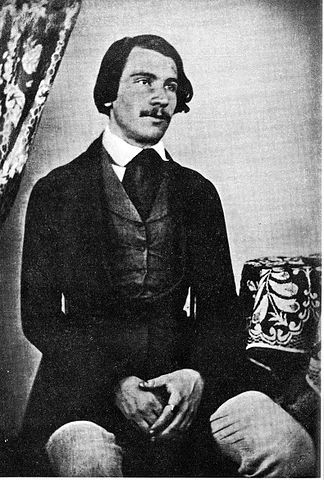
- He portrayed the Renaissance as the birth of the modern individual, self-aware and creative, free from the collective mindset of medieval society.
- Knowledge of this era comes from a vast variety of sources — manuscripts, printed books, sculptures, paintings, and architecture — preserved across European museums and archives.
🇮🇹 II. Revival of Italian Cities
The Renaissance first flourished in Italy, whose urban and commercial life differed from that of the rest of Western Europe.
1. Political and Economic Background
- After the fall of the Western Roman Empire, Italy was fragmented into numerous city-states such as Florence, Venice, Milan, and Genoa.
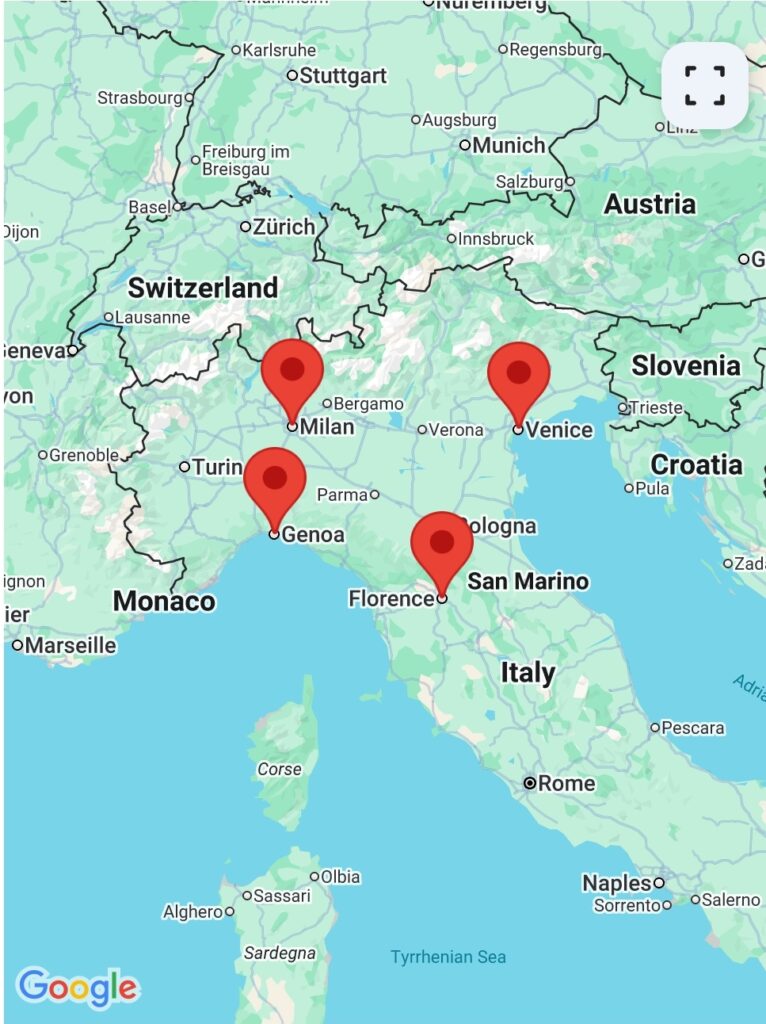
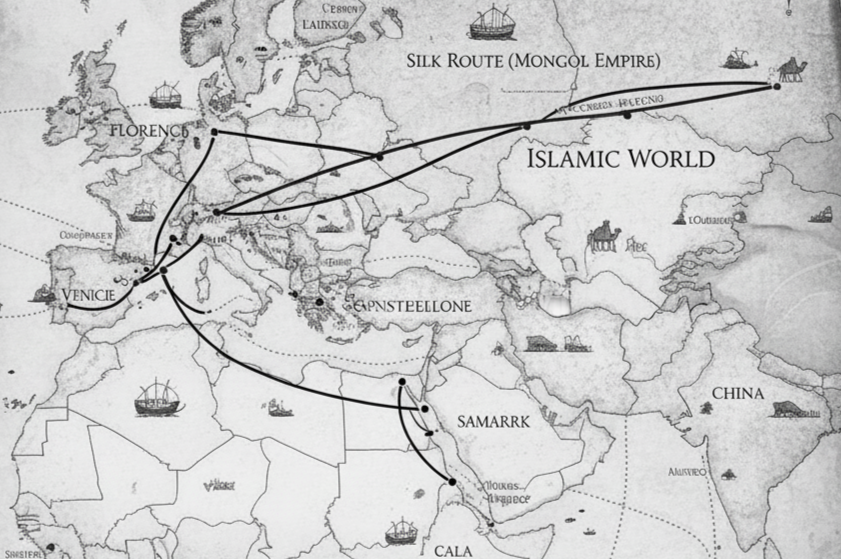
- These cities became thriving centers of trade and finance through contact with the Byzantine Empire and the Islamic world, especially after the reopening of the Silk Route under the Mongols.
- Powerful merchant-banking families, notably the Medici of Florence, dominated politics and culture.
- The urban elite, freed from feudal control, promoted a new civic culture and took pride in being citizens rather than subjects.
- Patronage became central: wealthy patrons commissioned artists, architects, and scholars, turning Italian cities into creative hubs.
2. Florence — The Nerve Centre
Florence became the model Renaissance city:
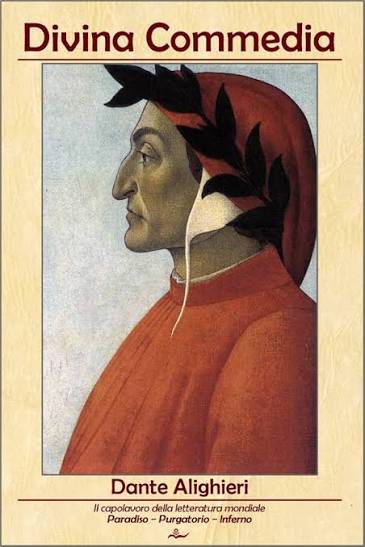
- Dante Alighieri revolutionized literature with his Divine Comedy.
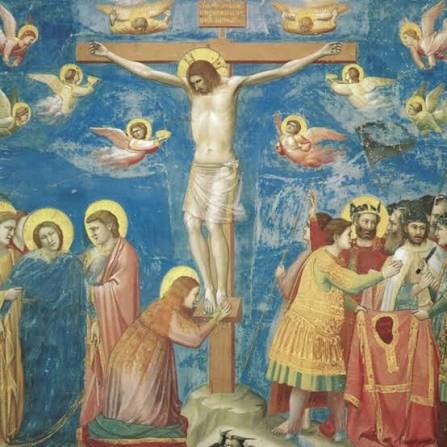
- Giotto pioneered realistic painting.
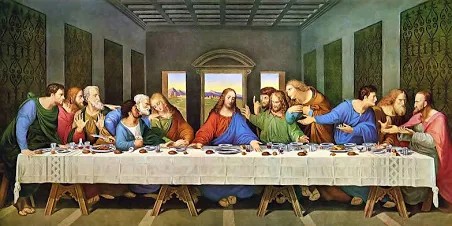
- Later, figures like Leonardo da Vinci
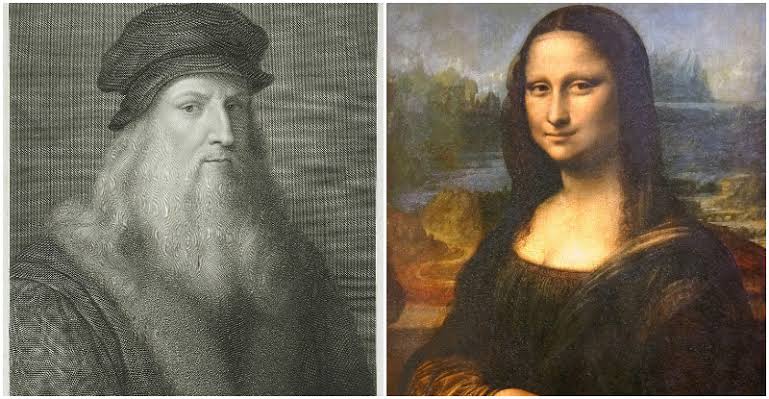
and Michelangelo Buonarroti
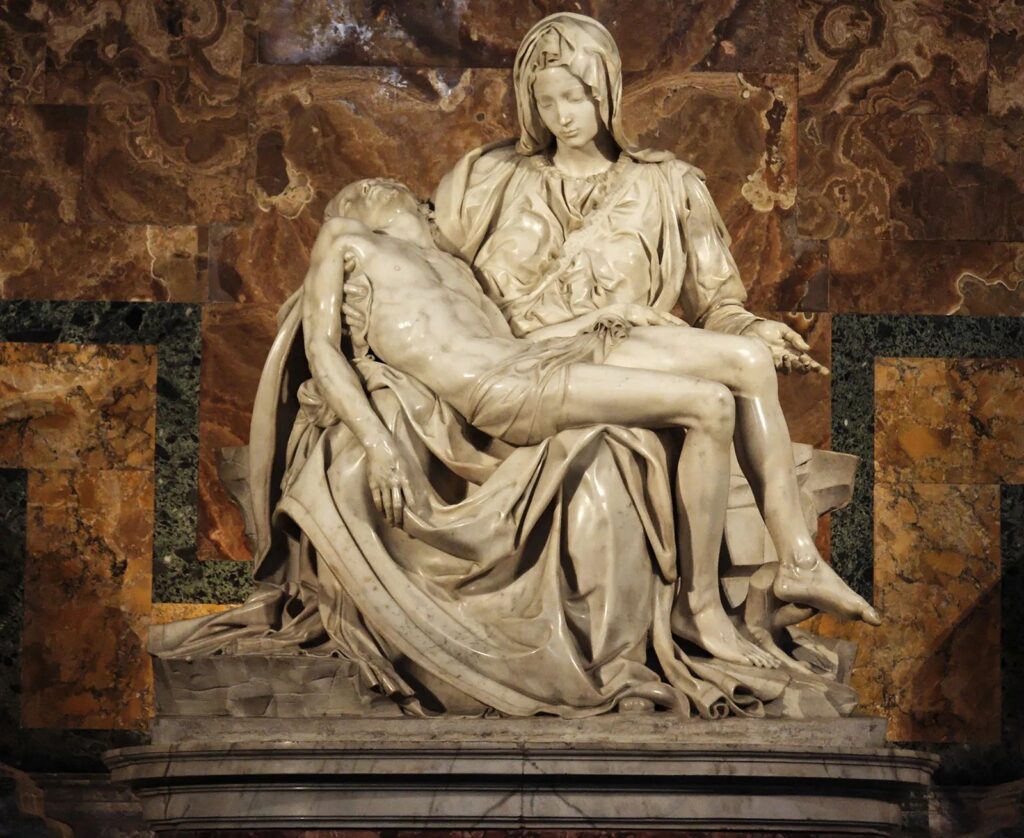
embodied the true spirit of human creativity.
📚 III. Universities and the Growth of Humanism
1. Early Universities
- Institutions such as Padua and Bologna had existed since the 11th century, offering advanced studies in law, medicine, and philosophy.

- The growth of trade and administration created a demand for educated citizens skilled in reasoning and communication.
2. Rise of Humanism
- Humanism emphasized human potential and dignity, drawing inspiration from Greek and Roman classics.
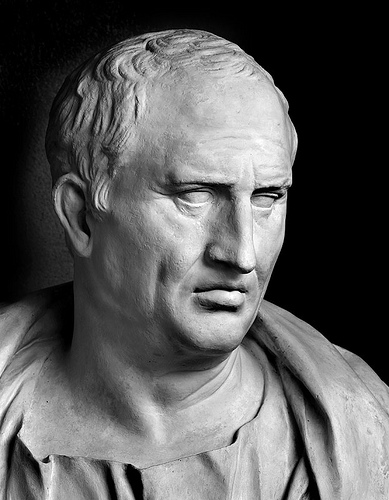
- The term Humanities derived from studia humanitatis — grammar, rhetoric, poetry, history, and moral philosophy — originally identified by Cicero.
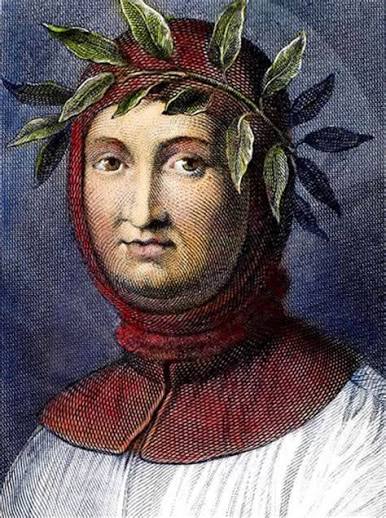
- Francesco Petrarch (1304–1374), called the Father of Humanism, urged the study of ancient authors in their original languages.
- Humanists believed that education should prepare an individual for an active life in society rather than merely for religious service.
3. Humanist Periodization of History
| Period | Description | Characteristics |
|---|---|---|
| Ancient | Greece and Rome | Age of reason, artistic excellence, and civic virtue |
| Medieval | “Dark Ages” after Rome’s fall | Dominated by the Church and feudal order |
| Modern | The Renaissance onwards | Revival of classical ideals and human reason |
🌐 IV. Science, Philosophy, and Arab Contribution
1. Arab–Islamic Legacy
European scholars gained access to classical works through Arabic translations preserved in centers like Baghdad, Cairo, and Cordoba.
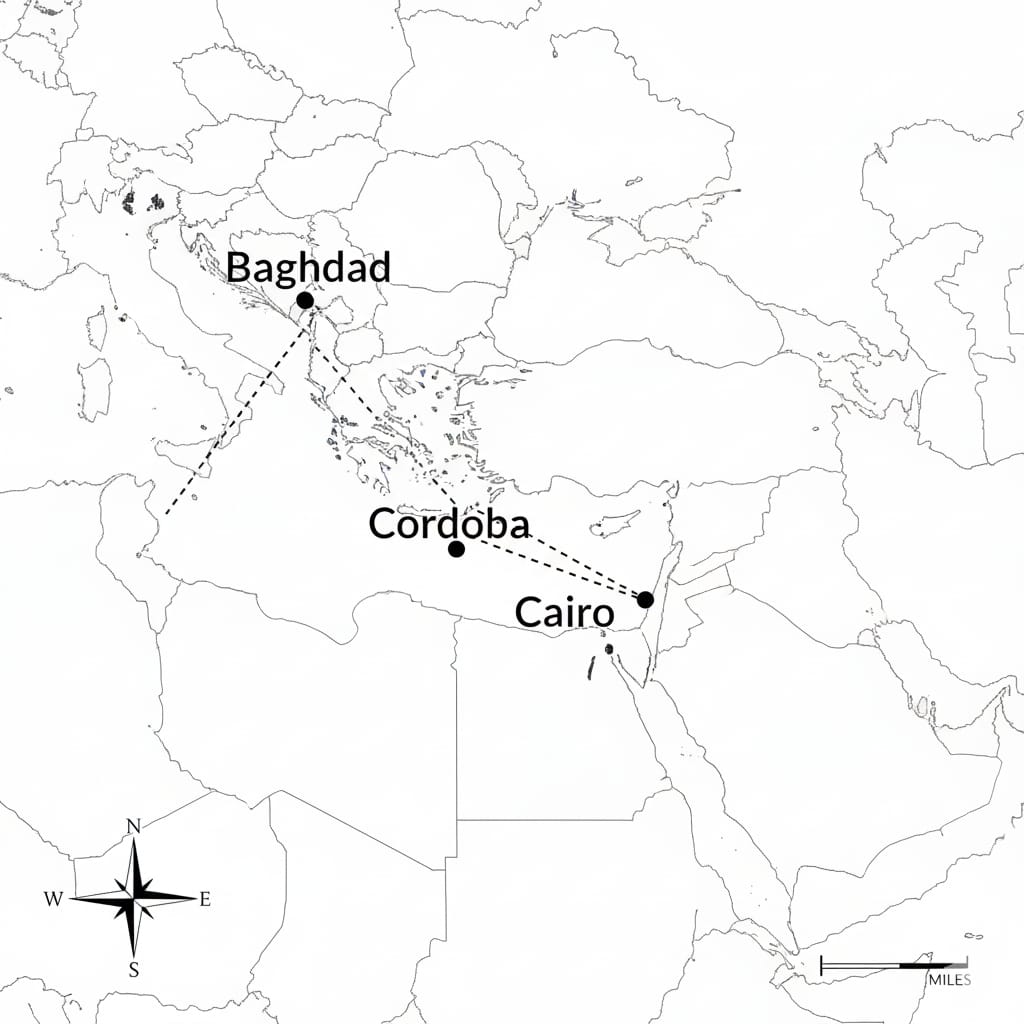
- Mathematicians and scientists such as Al-Khwarizmi, Ibn Sina (Avicenna), and Ibn Rushd (Averroes) transmitted knowledge of algebra, numerals, optics, and medicine.
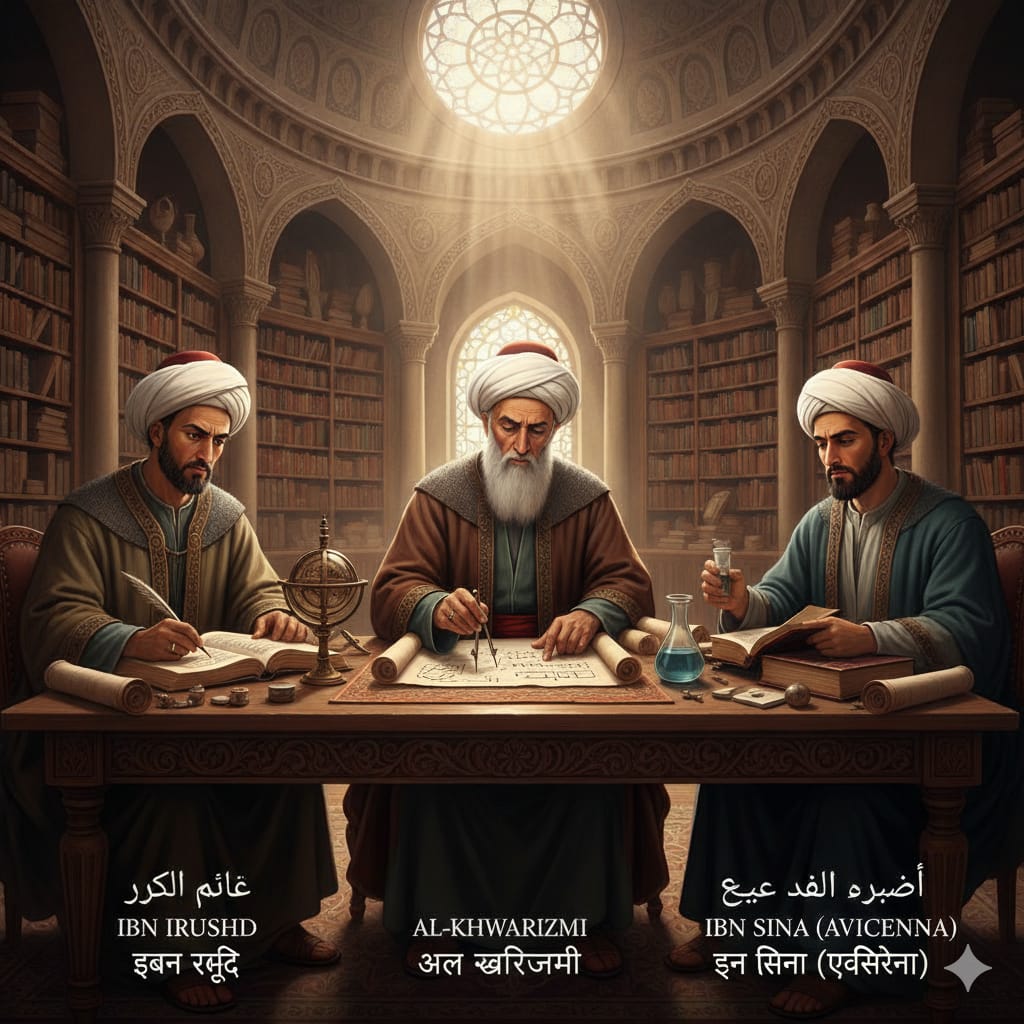
- Contact through trade and the Crusades furthered intellectual exchange.
2. Scientific Inquiry and Challenge to Dogma
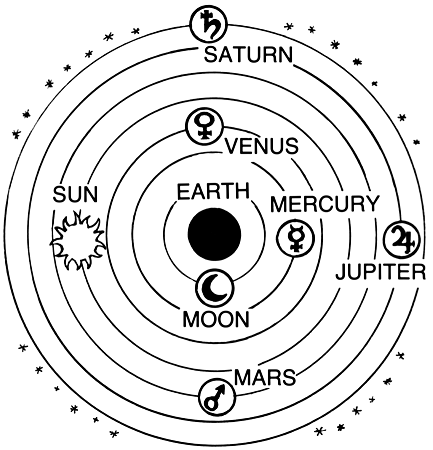
- The medieval Church upheld the Ptolemaic geocentric theory (Earth as universe’s center).
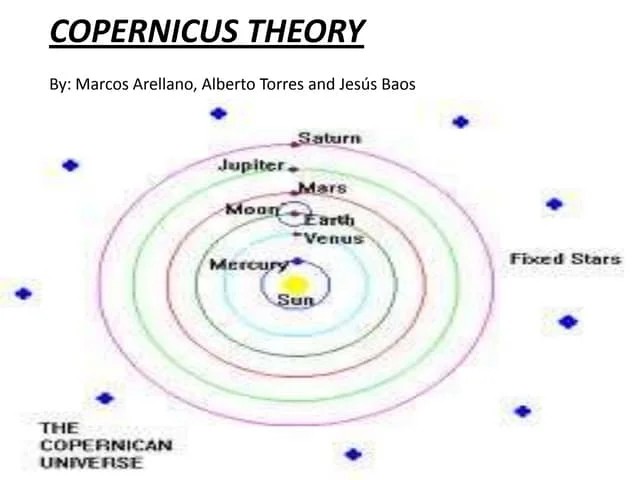
- Nicolaus Copernicus (1473–1543) proposed a heliocentric model, challenging religious authority.
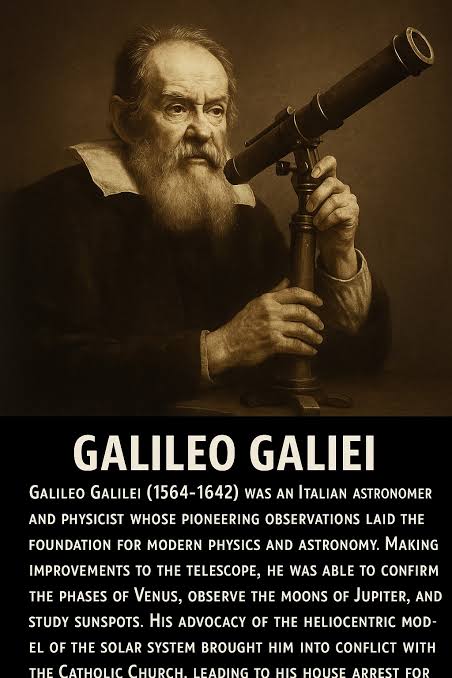
- Galileo Galilei (1564–1642) used telescopic observation to confirm this, facing trial by the Inquisition.
- These discoveries ushered in the Scientific Revolution, redefining the relationship between science, faith, and reason.
🎭 V. Art and Architecture — Realism and Classicism
1. Art: The Return of Realism
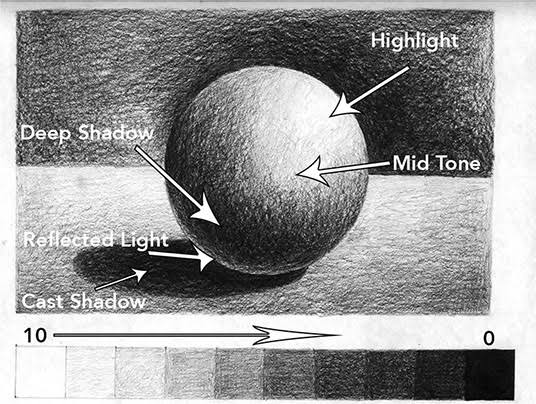
Renaissance artists viewed art as a means to explore nature, perspective, and the human form.
- They studied human anatomy and geometry to create realistic proportions.
- Techniques such as linear perspective
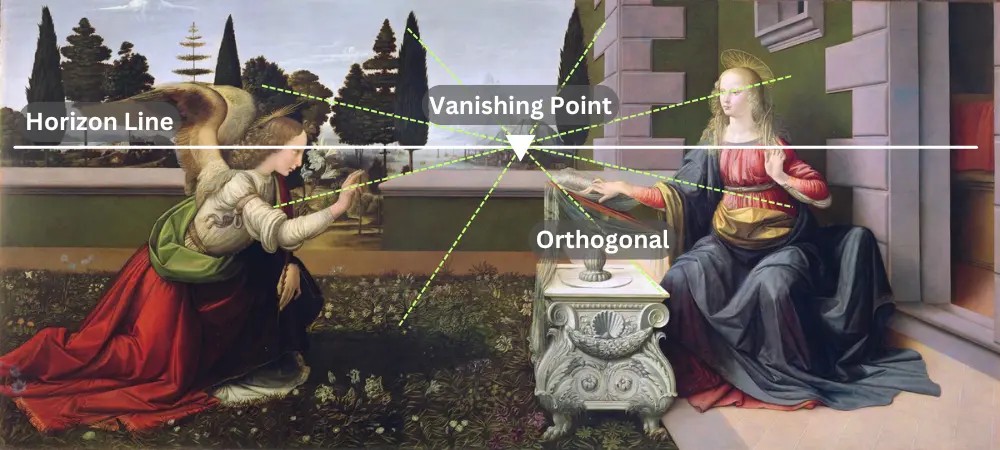
- and chiaroscuro (light and shadow) gave paintings depth and life.
- Artists sought patronage from the Church, monarchs, and merchants, blending faith and human beauty.
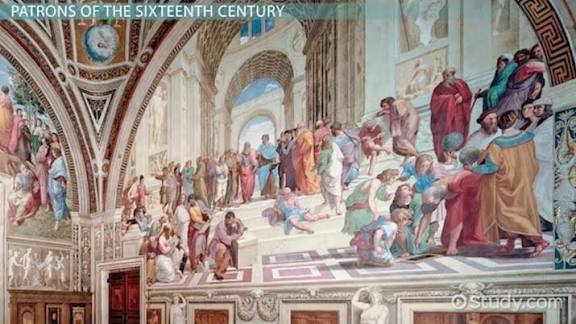
Major Artists:
- Leonardo da Vinci — Mona Lisa, The Last Supper; master of art, anatomy, and invention.
- Michelangelo Buonarroti — David, Pietà, and the Sistine Chapel frescoes.
- Raphael — The School of Athens, representing classical harmony and balance.
2. Architecture: Revival of Classical Ideals
- Replaced the Gothic style with symmetry, columns, arches, and domes inspired by Roman ruins.
- Filippo Brunelleschi designed the massive dome of Florence Cathedral (Duomo), blending engineering with artistry.

- Architecture became a symbol of civic pride and human ingenuity.
🖨️ VI. The Printing Revolution and Changing Ideas
1. The Printing Press
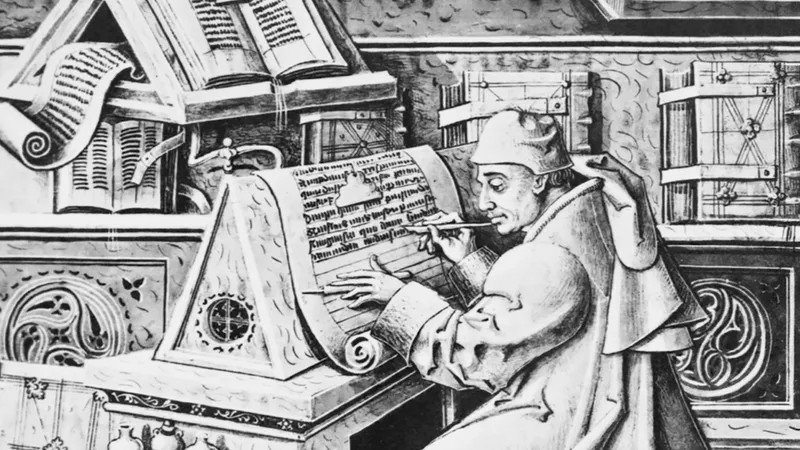
- Johannes Gutenberg of Germany invented movable-type printing around 1455.
- William Caxton introduced printing in England in 1477.
- Printed books reduced cost, improved literacy, and helped spread humanist and reformist ideas rapidly across Europe.
2. New Understanding of Human Beings
- Renaissance thought viewed humans as rational and self-determining individuals, capable of shaping their destiny through virtù (skill and excellence).
- This contrasted sharply with the medieval image of man as a passive subject of divine will.
3. Women and the Renaissance
- Most women were excluded from public and intellectual life, confined to domestic roles or convents.
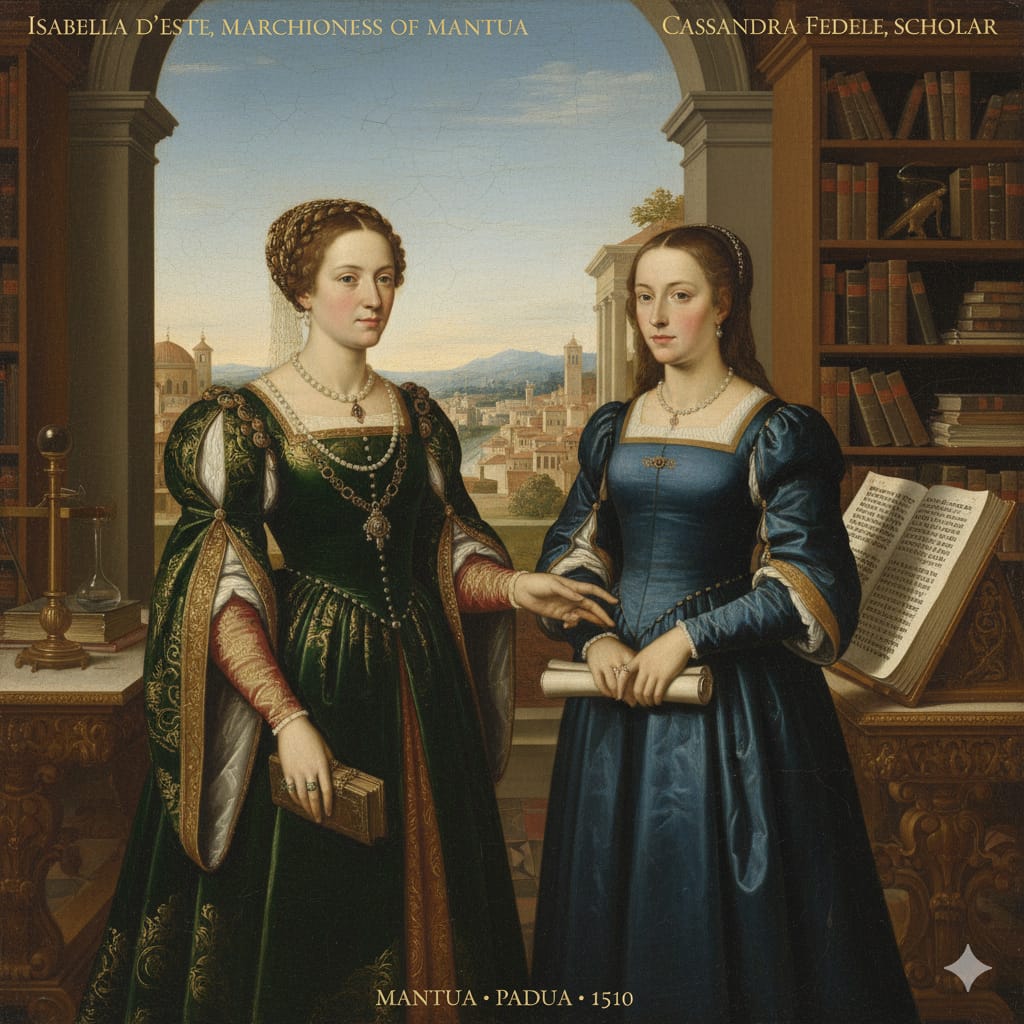
- Yet some, like Isabella d’Este of Mantua and Cassandra Fedele of Venice, became patrons and scholars, illustrating women’s intellectual potential despite restrictions.
⚔️ VII. The Protestant Reformation and Catholic Response
1. Causes
- The Catholic Church faced criticism for corruption, the sale of Indulgences, and moral decline.
- Educated Christians desired a personal relationship with God and scriptures in their own languages.
2. The Protestant Movement
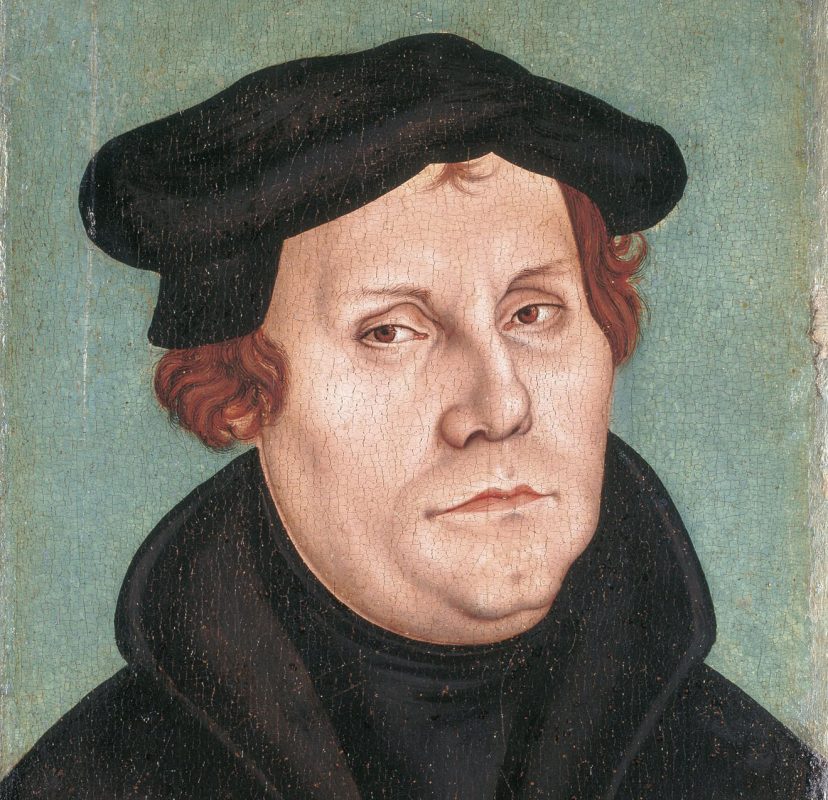
- Martin Luther (1483–1546), a German monk, triggered the Reformation by posting his Ninety-Five Theses in 1517.
- Core Beliefs:
- Salvation by faith alone (sola fide)
- The Bible as the sole authority (sola scriptura)
- Rejection of indulgences and priestly hierarchy
- Reformers like Ulrich Zwingli and John Calvin expanded the movement across Europe.
3. The Catholic Counter-Reformation
- The Council of Trent (1545–1563) redefined Catholic doctrine and corrected abuses.
- The Society of Jesus (Jesuits), founded by Ignatius Loyola (1540), played a major role in education, missionary work, and combating heresy.
- The Inquisition intensified to enforce orthodoxy.
🌍 VIII. Legacy — Transformation of European Thought
The Renaissance and Reformation reshaped European civilization:
- Intellectual Revolution: Shift from theology to empirical inquiry and rational thinking.
- Rise of Individualism: People began to value personal talent and civic responsibility.
- Secular Spirit: The Church’s absolute control weakened; politics and art gained autonomy.
- Scientific Curiosity: Encouraged questioning and experimentation.
- Cultural Exchange: Spread of ideas through trade, travel, and print united Europe in new ways.
- Foundation of Modernity: Prepared the ground for the Enlightenment and the modern democratic world.
🧭 Summary Chart
| Theme | Medieval Europe | Renaissance Change |
|---|---|---|
| Focus of Life | Salvation, Church | Human life, world, individuality |
| Art | Religious, symbolic | Realistic, human-centered |
| Knowledge | Theology-based | Classical learning, science |
| Social Order | Feudal, rigid | Urban, merit-based |
| Religion | Monolithic Catholicism | Diversity — Protestantism |
| Economy | Agrarian | Trade and banking |